
Melindagrace.com uses affiliate links. That means that if you buy something through these links, we may earn a commission.
Grief has a way of touching everything—including our homes.
For many women, especially widows, the weight of loss doesn’t just live in the heart. It shows up in closets that won’t close, drawers that won’t open, and boxes that feel impossible to touch. Items that once felt ordinary suddenly feel sacred. Everyday decisions—keep, donate, toss—can feel overwhelming or even impossible.
If that’s you, I want you to hear this first:
There is nothing wrong with you.
Grief changes how we think, feel, and function. And when grief meets clutter, the result is often paralysis—not because you’re weak, but because you’re human.
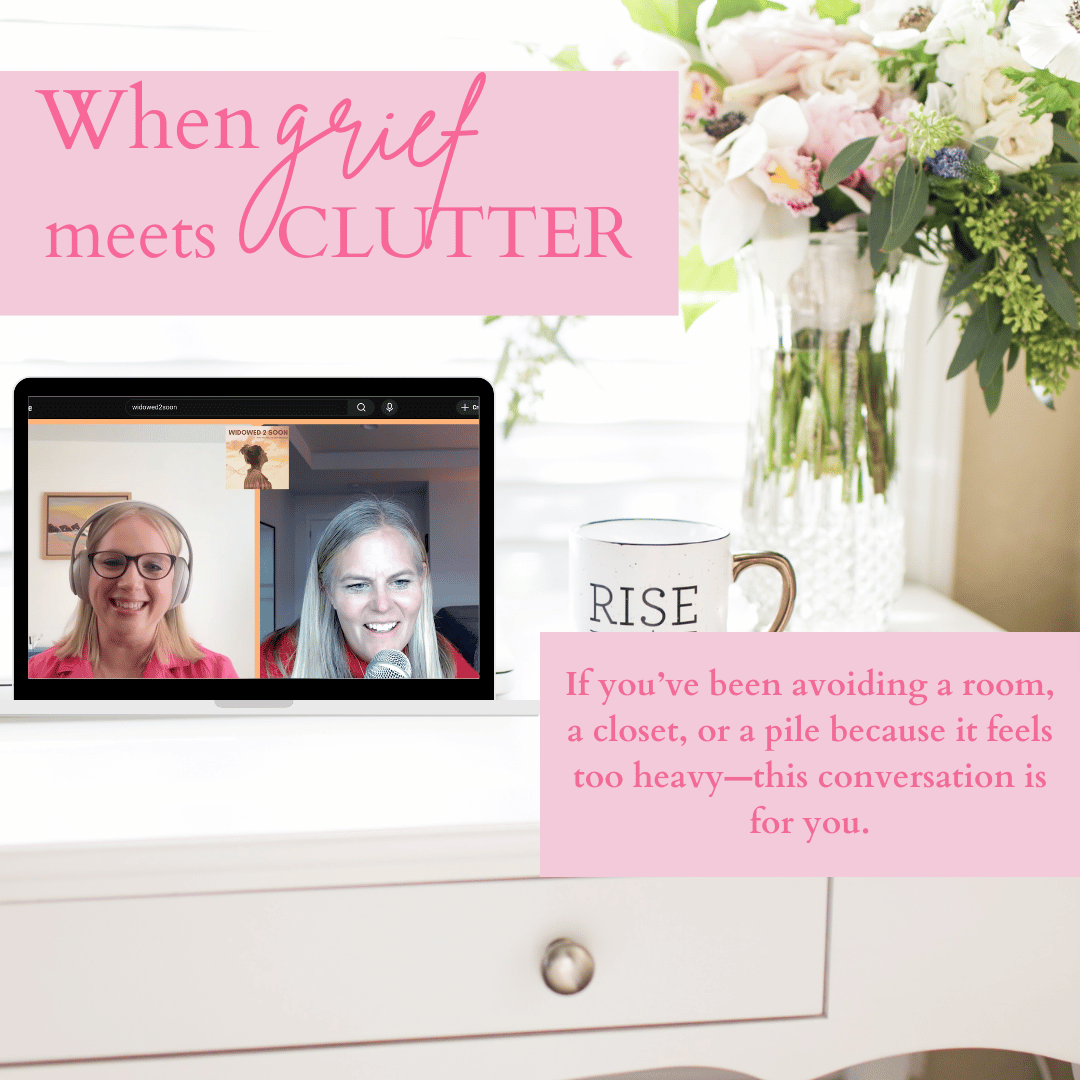
As a professional home organizer, who has worked with women when they were ready to release, I want to offer a different perspective on organizing after loss—one rooted in compassion, patience, and grace. This tender conversation with Michelle, founder of Widowed 2 Soon, is just that. Take a listen to find hope amongst the grief and clutter.
“The items carry with them the emotion and the emotional experience.”
Why Grief Makes Decluttering So Hard
After losing a loved one, belongings often take on new meaning. Objects become memory-holders. Clothing, notes, tools, books, and everyday items can feel like the last tangible connection to the person you lost.
Letting go can feel like:
-
Forgetting
-
Betraying
-
Losing them all over again
Add to that the mental and emotional exhaustion of grief, and it makes sense why clutter can quietly grow during this season.
Research has shown that clutter can increase stress levels and emotional fatigue—especially for women. When you’re grieving, that stress compounds. Your home, instead of being a place of rest, can begin to feel heavy, loud, and emotionally demanding.
But organizing after loss is not about erasing memories.
It’s about creating space for healing.
“The Lord is close to the brokenhearted and saves those who are crushed in spirit.”
— Psalm 34:18
A Compassionate Approach: The G.R.A.C.E. Method
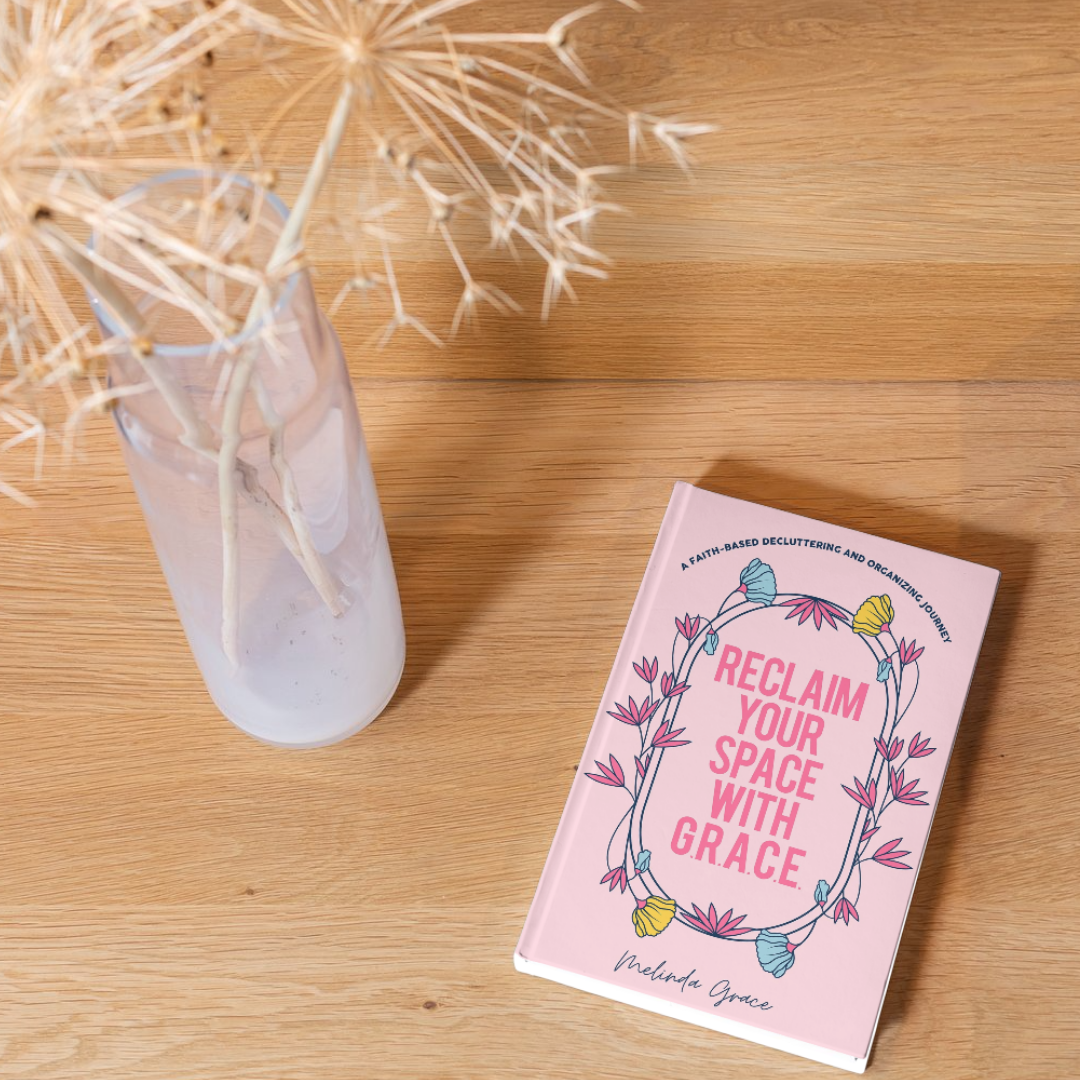
In my book, Reclaim Your Space with G.R.A.C.E., I introduce a gentle, step-by-step organizing method designed to honor both emotional and physical needs.
G.R.A.C.E. stands for:
Gather → Release → Acquire → Cultivate → Enjoy
This is not a rigid system. It’s an invitation—especially for women walking through grief—to move forward without pressure, timelines, or guilt.
Let’s walk through how this method can support you in this specific season.
G — Gather (With Intention, Not Urgency)
When most people think of organizing, they think of immediately getting rid of things. But gathering comes first—and it’s the most overlooked step.
In grief, gathering is not just about items. It’s about clarity.
Gather Your Goals
Before touching a single box, ask:
-
Why do I want to do this right now?
-
What do I hope to feel on the other side?
-
What space feels hardest to be in lately?
Your goal may not be “a perfectly organized house.”
It might simply be:
-
Peace
-
Breathing room
-
Fewer emotional landmines
That is more than enough.
Gather One Space at a Time
“If you deal with it intentionally now, you won’t keep running into emotional roadblocks later.”
Rather than running into painful memories unexpectedly—like opening a random box months from now—I often recommend intentionally gathering your loved one’s belongings into one designated area when you feel ready.
This might be:
-
A closet
-
A spare room
-
A corner of your bedroom
This allows you to:
-
Process memories on your terms
-
Avoid emotional interruptions later
-
Move at a pace that honors your heart
There is no requirement to finish in a day—or even a month.
“To everything there is a season, and a time for every purpose under heaven.”
— Ecclesiastes 3:1
R — Release (Without Losing the Memory)
This is often the hardest step—and the one women fear the most.
Releasing does not mean forgetting.
Releasing does not mean the love disappears.
Releasing does not mean you’re “moving on” too fast.
It simply means choosing what continues forward with you.
Why Releasing Feels So Emotional
“People are afraid that if they let the item go, they’re going to lose the memory — and lose the person all over again.”
Letting go forces us to confront powerful emotions—love, fear, anger, longing. When grief is fresh, those emotions can feel unbearable.
Instead of asking:
“Why is this so hard?”
Try gently telling yourself:
“This is hard because this mattered.”
That shift alone can remove so much shame.
Practical, Gentle Release Strategies
Here are compassionate options many grieving women find helpful:
-
Memento Boxes
Curate a small collection of the most meaningful items. When everything is special, nothing feels manageable. Curation brings intention.“When you gather the most meaningful items together, what you’re left with is a curated collection of memories — the best of the best.”
-
“Not Ready Yet” Bins
Some items don’t need decisions today. Giving yourself permission to pause is part of healing.“It takes the time that it takes. And if you’re not ready, that’s okay.”
-
Photographing Items
Taking a picture preserves the memory while allowing the physical item to move on. -
Purposeful Giving
Releasing becomes easier when you know an item will bless someone else.
You do not have to hold on to everything to remember what mattered.
“Cast all your anxiety on Him because He cares for you.”
— 1 Peter 5:7
A — Acquire (Support, Systems, and Space)
Acquire is not about buying more—it’s about adding what supports you now.
Acquire Support
This might look like:
-
Asking a friend to sit with you while you sort
-
Hiring professional help
-
Letting someone else carry the emotional weight alongside you
Grief was never meant to be carried alone.
Acquire the Right Tools
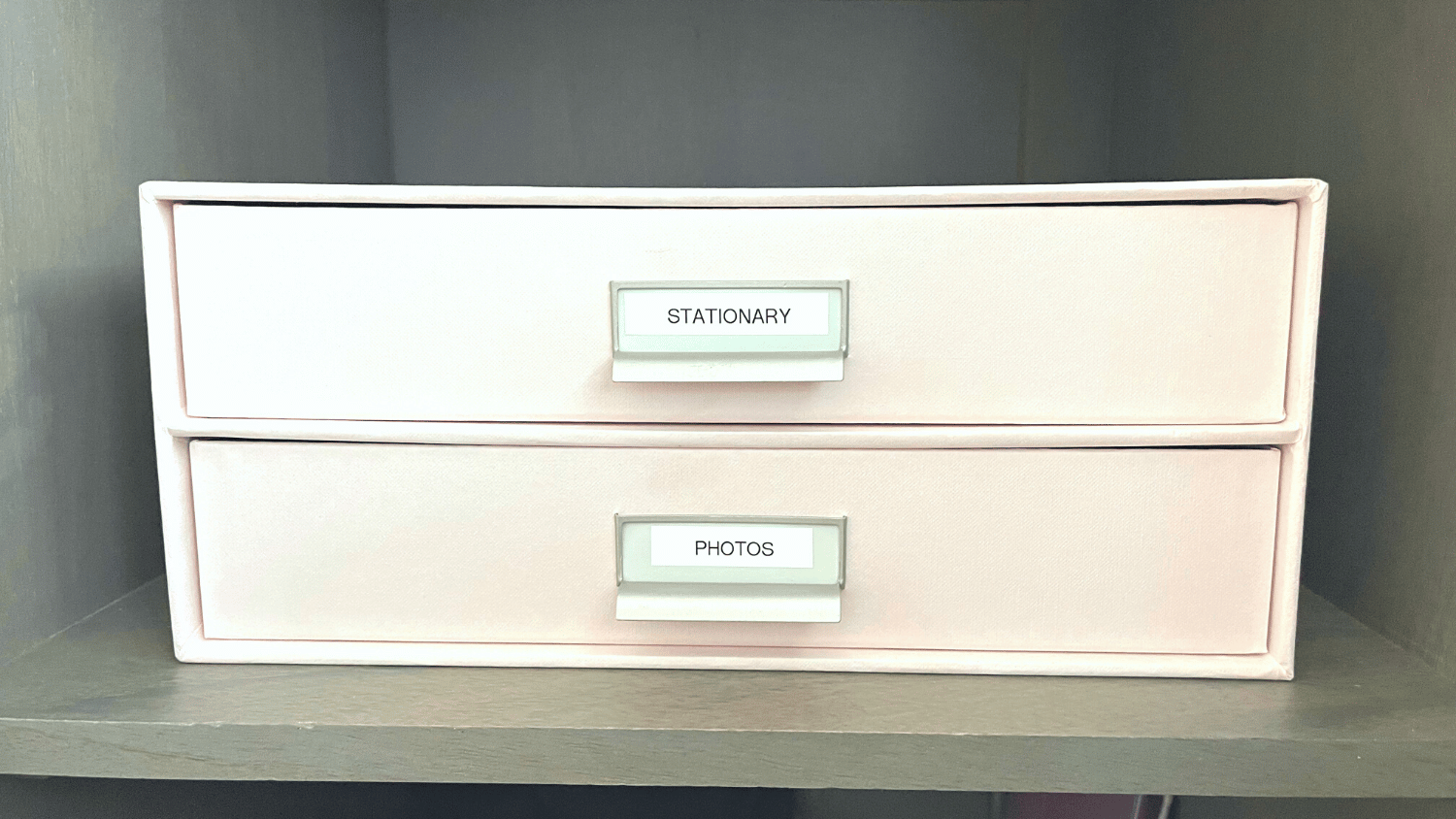
Simple, intentional containers can help:
-
Memory boxes
-
Document folders
-
Shelving that keeps items accessible but not overwhelming
The goal is not storage—it’s peace.
C — Cultivate (A New Way of Living With Memory)
Cultivating is about allowing time for your new space—and your new life—to settle.
When you reorganize after loss, you’re not just rearranging belongings. You’re learning how to live differently.
Ask yourself:
-
Where do I want to go when I need comfort?
-
Where do memories feel grounding instead of triggering?
Memories don’t have to live everywhere to be honored.
“It takes time to learn a new rhythm in your home — and that’s okay.”
Cultivation may involve adjusting systems, moving items, or simply noticing how your heart responds over time. This stage is tender—and incredibly meaningful.
“He heals the brokenhearted and binds up their wounds.”
— Psalm 147:3

E — Enjoy (Even in Small, Quiet Ways)
Enjoy may feel like an impossible word during grief—but it doesn’t mean happiness.
Enjoy can look like:
-
Relief
-
Stillness
-
A deep breath
-
Pride in doing something hard
Organizing after loss is courageous work.
If all you feel is “I survived this step”—that counts.
Your home can once again become a place that supports your healing instead of demanding more from you.
A Final Word of Grace
If you’re standing in the middle of grief and clutter, unsure where to begin, please remember:
-
There is no timeline.
-
There is no “right way.”
-
There is no failure here.
Only permission.
Small steps matter. Rest matters. Grace matters.
And you don’t have to do this alone.
If you’d like deeper guidance, Reclaim Your Space with G.R.A.C.E. walks through this method room by room, with practical tools, reflection prompts, and gentle encouragement for women navigating emotional attachment and life transitions.
If you’ve lost a spouse and need additional support, I definitely recommend Michelle’s Widowed 2 Soon resources at https://lnkd.in/gcmwwGBj
Whether today you take action—or simply rest—both are holy choices.
You are doing better than you think. 💛



0 Comments